The Fort Worth Seller Playbook: 5 Fixes That Matter More Than Fancy Renovations
The Fort Worth Seller Playbook: 5 Fixes That Matter More Than Fancy Renovations
When it’s time to sell, many homeowners assume they need a dramatic kitchen overhaul or a magazine-worthy bathroom before they can list with confidence. In Fort Worth, that usually isn’t the smartest use of time or money. Buyers notice condition, care, and livability first, and the homes that feel clean, bright, and move-in ready often create stronger impressions than properties with one expensive upgrade and a dozen smaller issues left untouched.

That’s especially true in a market as varied as Fort Worth, where charming historic neighborhoods, suburban developments, and newer communities all compete for attention. A buyer touring several homes in one afternoon is making quick emotional decisions. They may not remember the exact stone choice on a backsplash, but they will remember peeling paint, dim rooms, worn flooring transitions, or a front door that looked neglected. Smart prep is about removing friction and helping buyers imagine an easy next chapter.
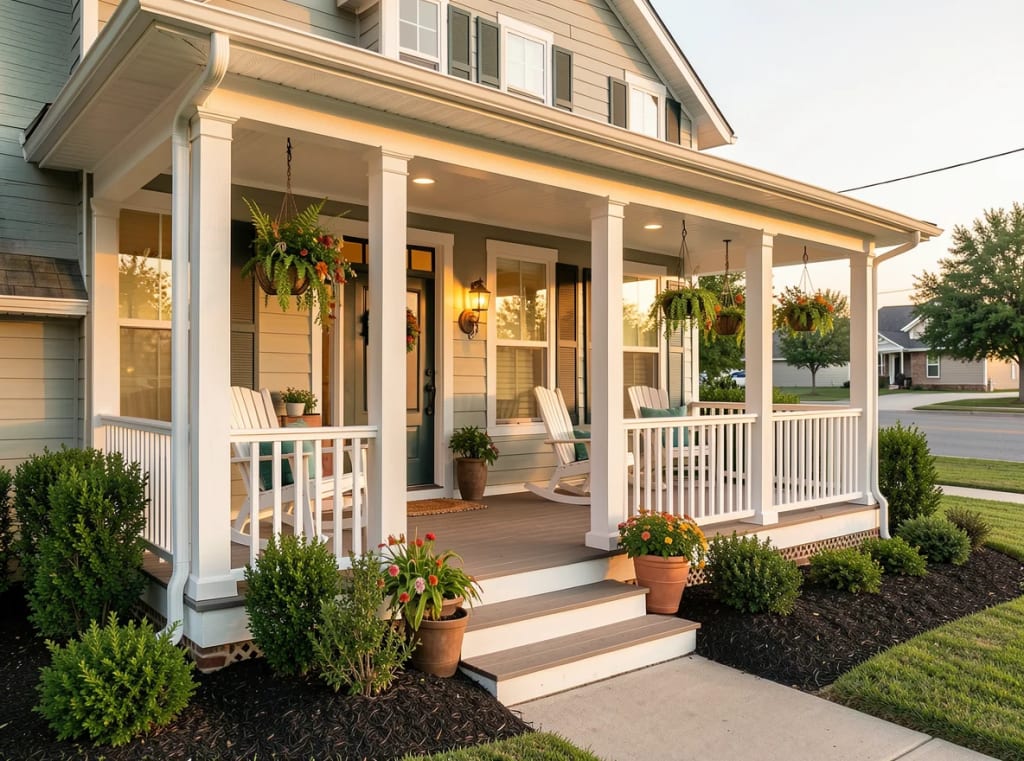
Fix number one: improve curb appeal in simple, visible ways. This is the highest-impact “small” category because it sets the tone before anyone steps inside. Fresh mulch, trimmed shrubs, pressure-washed walkways, a repainted front door, updated house numbers, and a porch light that actually matches the home can instantly make a property feel cared for. In many Fort Worth neighborhoods, where buyers may be comparing traditional brick homes, ranch-style properties, and newer builds, exterior presentation helps your listing feel sharper from the start without requiring a major capital project.
Fix number two: address paint and patchwork. Neutral paint is not exciting, but it is powerful. Scuffed baseboards, nail holes, chipped trim, and bold wall colors can make a home feel busier and smaller than it really is. A consistent, light, clean palette lets natural light bounce through the rooms and gives buyers mental space to picture their own furniture. If your budget is limited, focus first on the entry, main living area, kitchen, primary bedroom, and any hallway that connects major spaces. Those zones carry the most visual weight during a showing.
The Updates Buyers Feel Immediately
Fix number three: lighting matters more than most sellers expect. You do not need designer fixtures in every room, but you do need the home to feel bright and intentional. Replace dated bulbs with matching warm-white LEDs, swap out builder-grade or visibly worn fixtures where they stand out, and make sure every lamp, sconce, and ceiling light works. In Fort Worth, where strong sunlight is an asset, clean windows and layered lighting can help interiors feel open even in older floor plans. Buyers respond to homes that photograph well online and feel cheerful in person, and lighting supports both.
Fix number four: repair what buyers assume signals bigger problems. A dripping faucet, loose doorknob, sticking back door, cracked outlet cover, torn window screen, or missing grout line may seem minor when you live with them every day. To a buyer, though, those details can raise questions: If this is what’s visible, what’s happening behind the walls? One of the easiest ways to protect your asking price is to eliminate those low-level warning signs before the first showing. Small repairs create confidence, and confidence helps offers come in cleaner.

Fix number five: flooring continuity and deep cleaning beat luxury finishes. If a seller has to choose between installing premium materials in one room or making the entire house feel consistently clean and maintained, the second option usually wins. Professionally cleaned carpet, refreshed grout, polished hard surfaces, and repaired thresholds can change the whole experience of a home. Buyers walk every square foot. They feel underfoot whether a house has been maintained. In practical terms, that means a spotless, cohesive home often outperforms one with a flashy remodel surrounded by deferred maintenance.
These improvements are also more aligned with how buyers actually shop today. They discover homes online first, where crisp photography and strong presentation matter enormously, then confirm their impressions in person. That is where a technology-driven marketing approach becomes so valuable. When preparation decisions are guided by current market behavior instead of guesswork, sellers can focus their budget where it supports listing photos, buyer confidence, and perceived value. Not every update deserves a dollar-for-dollar investment, and thoughtful guidance can keep a seller from over-improving for the neighborhood.
Fort Worth buyers are often balancing lifestyle priorities alongside the house itself. They may be thinking about commute patterns to Dallas-Fort Worth job centers, proximity to parks and trails, access to shopping corridors and entertainment districts, or school options depending on the area. A home that feels easy to maintain and immediately livable fits that mindset. They want to picture weekends on the patio, quick evenings out, or smooth school mornings, not a long list of projects waiting after closing. The more your home supports that emotional picture, the better it tends to perform.
Where to Spend Carefully and Where to Hold Back
There are times when a bigger renovation makes sense, but they are more selective than many sellers think. If your kitchen is severely outdated, functionally broken, or obviously below the standard of competing homes in your price range, then targeted updating may help. The key word is targeted. New hardware, refreshed paint, modern lighting, resurfaced cabinets, or updated counters may deliver a stronger return than a total redesign. The same goes for bathrooms: clean lines, fresh caulk, upgraded mirrors, and better lighting can often close the perception gap without opening a major construction budget.
A measured plan also protects your timeline. Large renovations introduce delays, change orders, and decision fatigue, while focused pre-listing fixes can usually be completed faster and with fewer surprises. That matters because market timing, presentation quality, and pricing strategy all work together. Sellers who spend months chasing a “perfect” finish sometimes miss the advantage of coming to market with momentum. Well-informed preparation, paired with current local data, is often the more effective path.

That’s why step-by-step seller guidance matters so much. Instead of guessing which projects add value, homeowners benefit from a clear roadmap: what to repair, what to clean, what to leave alone, and how each choice supports pricing and marketing. In a region as dynamic as Dallas-Fort Worth, that kind of education can save real money. The goal isn’t to turn every property into a luxury showcase. It’s to position the home honestly, attractively, and competitively for the right buyers.
In the end, the strongest Fort Worth seller strategy is rarely the flashiest one. Clean curb appeal, fresh paint, better light, minor repairs, and polished floors may not sound glamorous, but they shape the showing experience in all the ways that matter. If you’re preparing to list, think less about dramatic renovation reveals and more about creating a home that feels bright, dependable, and ready for its next owner. That’s the kind of value buyers recognize immediately, and it’s often where the best results begin.