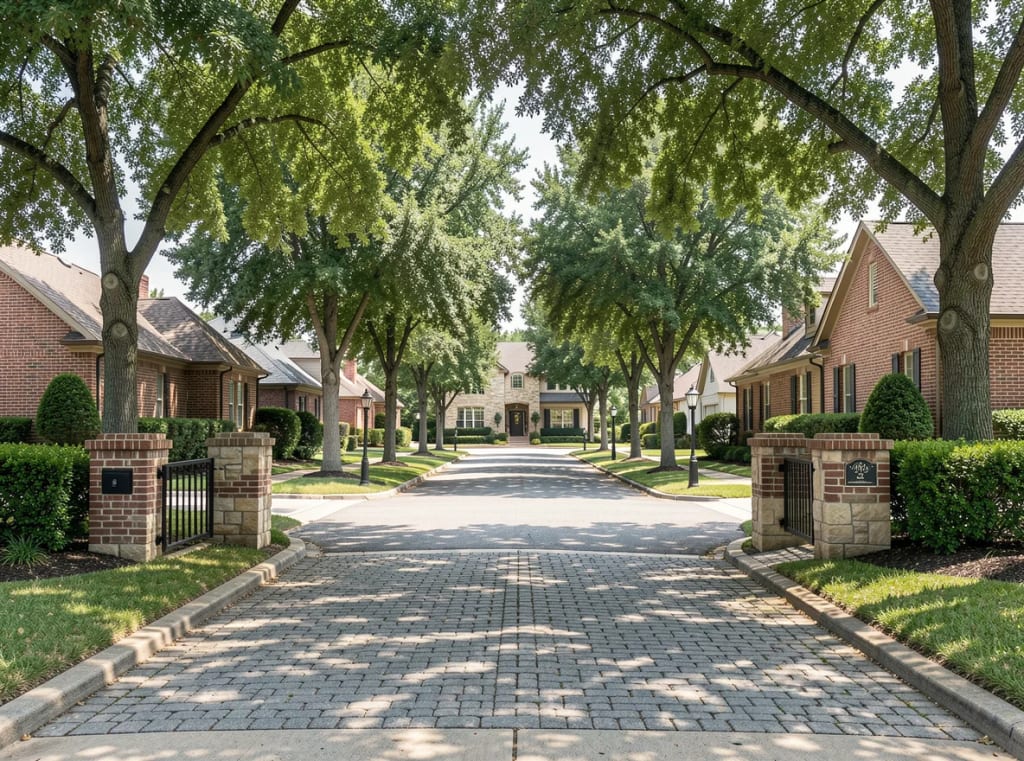
7 Dallas Neighborhood Clues First-Time Buyers Should Notice Before Touring Homes
7 Dallas Neighborhood Clues First-Time Buyers Should Notice Before Touring Homes
Buying your first home in Dallas can feel exciting and slightly overwhelming at the same time. Photos, price points, and polished listings only tell part of the story. Before you ever step through a front door, the neighborhood itself is already giving you useful signals about daily life, long-term value, and whether a home will truly fit your routine. Learning to spot those clues can help first-time buyers move from emotional browsing to smart decision-making.
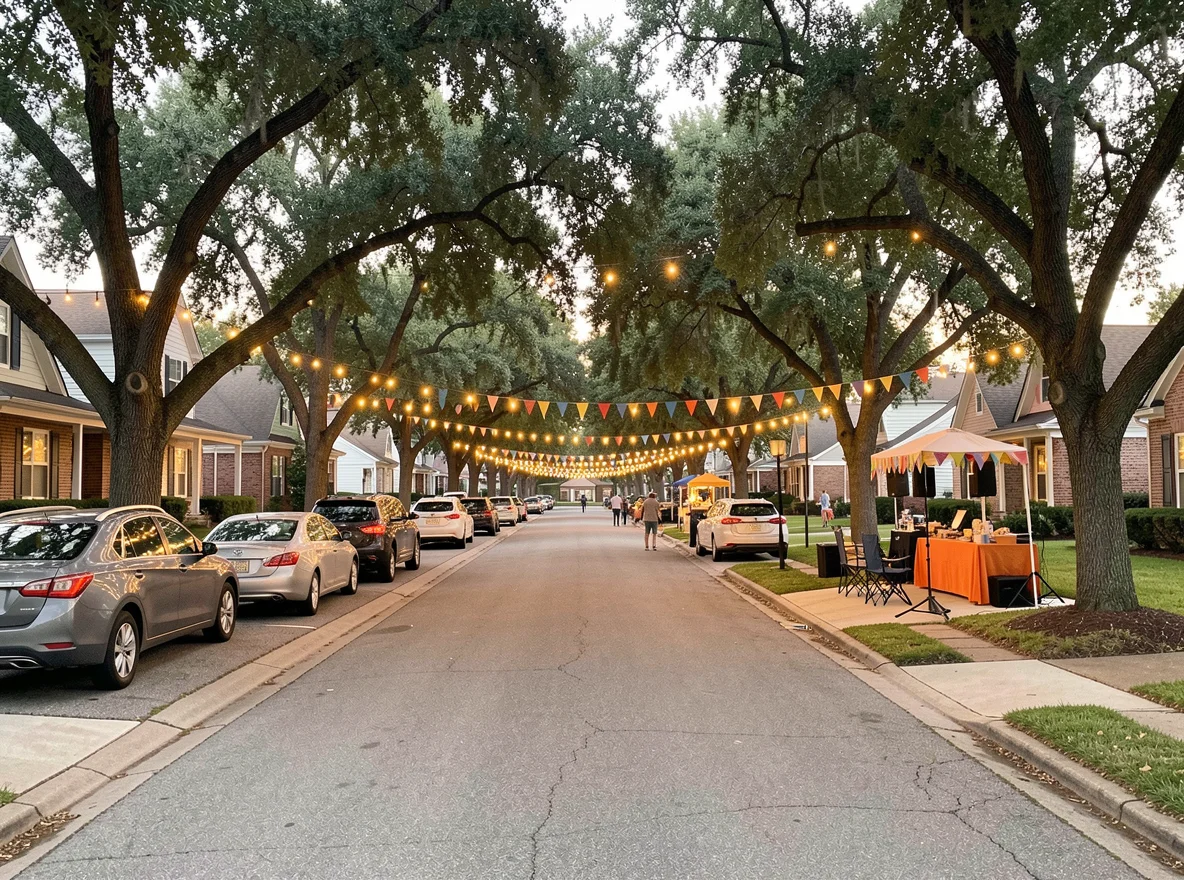
The first clue is how the block feels when you arrive. Are yards consistently maintained? Do cars seem permanently crowded along every curb, or is parking manageable? Are sidewalks walkable, shaded, and connected, or do they abruptly disappear? In many Dallas neighborhoods, these small observations say a lot about how residents use the area. A street with mature trees, visible pride of ownership, and a calm rhythm often suggests stability, while one with frequent deferred exterior maintenance may signal upcoming homeowner expenses or uneven resale appeal.
The second clue is traffic flow. Not just the number of vehicles, but the kind of movement happening around you. Some homes look quiet online but sit near cut-through routes used by commuters trying to avoid major roads. Spend a moment noticing whether drivers are rushing, whether nearby intersections back up, and whether turning in and out seems easy. In a metro as active as Dallas-Fort Worth, convenience matters, but so does livability. A home that appears perfect can feel very different if the street is noisy from early morning until late evening.
Third, pay attention to the nearby essentials that shape normal life. Grocery access, coffee stops, green space, fitness options, and everyday errand convenience can dramatically affect how much you enjoy a location. First-time buyers sometimes focus so heavily on square footage that they overlook whether the neighborhood supports their weekly habits. Being ten minutes closer to your routine may matter more than an extra formal dining room you rarely use. This is especially true for buyers balancing work commutes, school schedules, and weekend plans around the wider Dallas area.
Look Beyond the House and Read the Surroundings
The fourth clue is the age and pattern of nearby renovations. If one street has a healthy mix of original homes, tasteful updates, and a few larger remodels, that can indicate an area where buyers continue investing with confidence. If every nearby listing appears aggressively flipped while neighboring properties remain neglected, it may be worth asking deeper questions about pricing, workmanship, and whether values are rising for the right reasons. Neighborhood change is not automatically good or bad, but first-time buyers should understand what kind of change they are seeing.
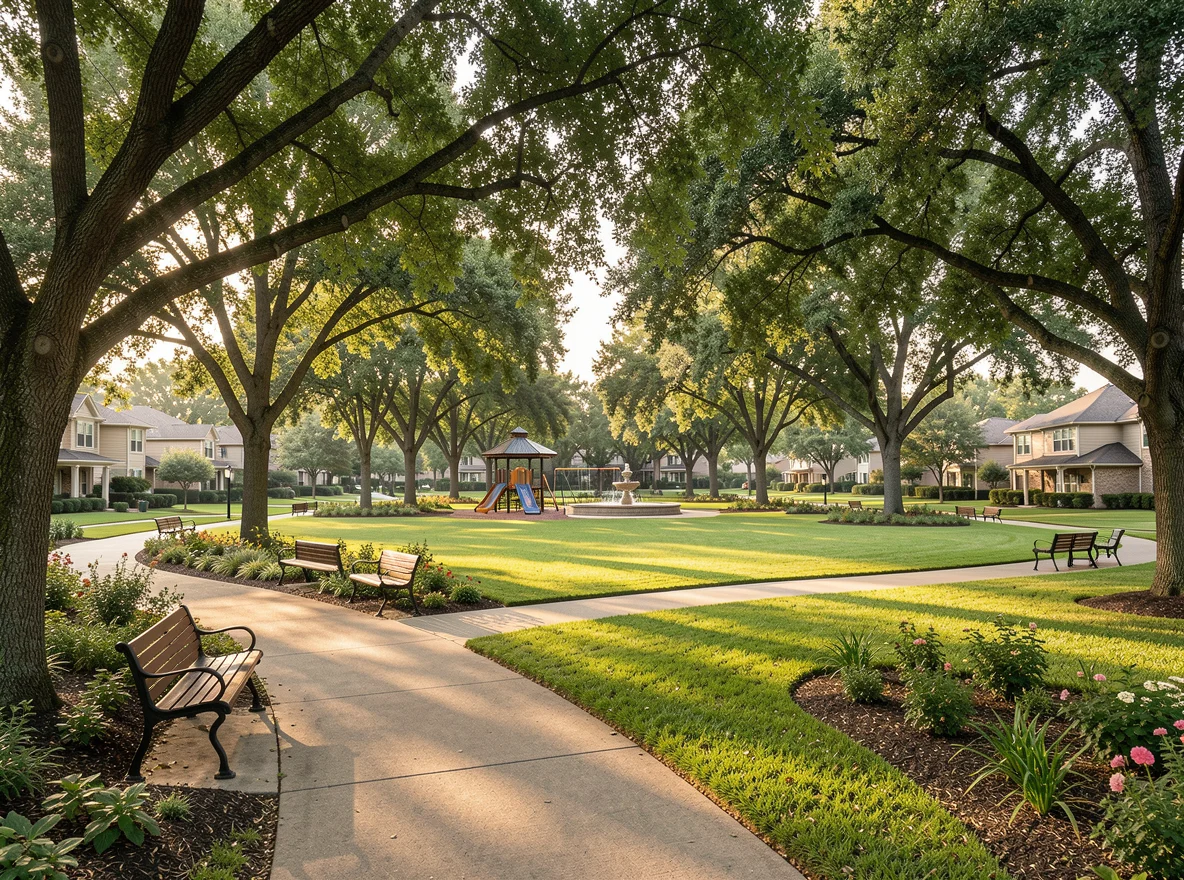
Fifth, notice community infrastructure. This includes drainage, alley condition, street lighting, signage, curbs, and how public spaces are maintained. In Dallas, where storms and heat can test a property quickly, practical infrastructure deserves attention. Pooled water near curbs, cracked pavement, or chronically stressed landscaping can hint at broader maintenance issues. On the other hand, a neighborhood with cared-for parks, clean common areas, and functional streetscape details often reflects stronger day-to-day management, whether through municipal upkeep, active residents, or a homeowners association.
The sixth clue is how the neighborhood supports your future, not just your present. For some buyers, that means school options and access to educational resources, even if children are years away. For others, it means proximity to job centers, easy airport access, nearby recreation, or the flexibility to rent the property someday. Dallas offers a wide variety of neighborhood personalities, from established residential pockets with classic charm to fast-growing areas with newer construction and modern amenities. The right fit depends on your next five years, not just your next five months.
Seventh, watch for the intangible signs of community life. You may notice neighbors chatting from porches, joggers using local trails, dog walkers greeting one another, or weekend activity centered around green spaces and gathering spots. Those patterns can tell you whether an area feels connected, private, energetic, or transitional. None of those qualities is inherently better than another, but they should align with what makes you comfortable. If you want a quiet retreat, a highly active neighborhood may wear on you. If you want energy and convenience, a sleepy pocket may feel isolated.
For first-time buyers, this is where guidance becomes especially valuable. A thoughtful real estate team can help translate what you are seeing into practical insight: which clues affect resale, which are cosmetic, and which deserve serious investigation. The Bradford Team brings a technology-driven, education-focused approach that helps buyers compare neighborhoods with more confidence. Instead of relying on guesswork, you can use current market information, local experience across the Dallas-Fort Worth region, and step-by-step support to evaluate not just the house, but the full lifestyle attached to it.
What These Clues Mean for Budget, Lifestyle, and Resale
Neighborhood clues also shape your budget in ways that are easy to miss. A lower-priced home in a less convenient area may lead to higher commuting costs, more time in traffic, or bigger renovation needs. A slightly more expensive home in a stronger location may hold value better and feel easier to live in every day. First-time buyers often benefit from weighing total lifestyle cost, not simply purchase price. That includes transportation, upkeep, insurance considerations, and how much flexibility the property gives you if life changes.
Dallas real estate moves across many different micro-markets, so one neighborhood can behave very differently from the next. That is why touring homes should never begin with the front door alone. Start with the block, the access roads, the nearby amenities, the signs of investment, and the overall rhythm of the area. When you understand the setting first, it becomes much easier to judge whether a listing is truly a match or just well marketed.
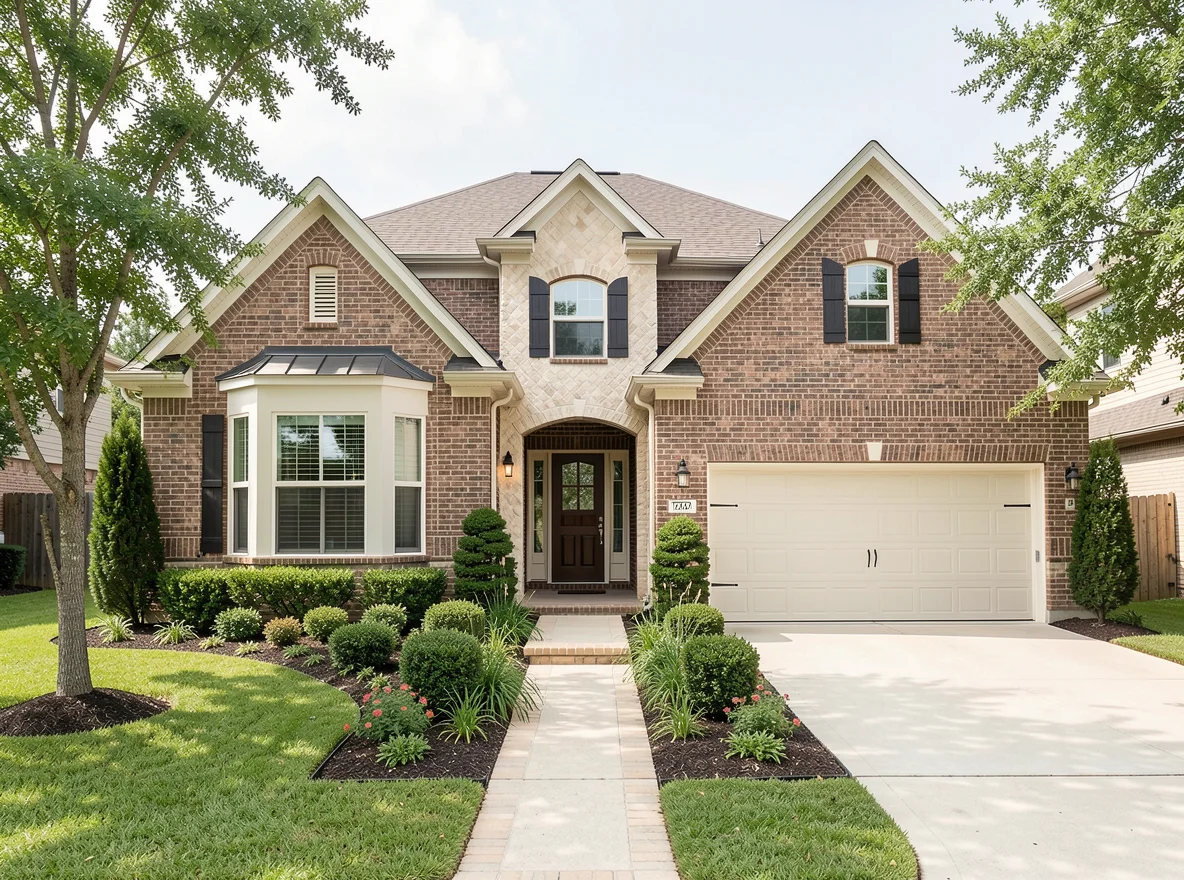
In the end, the best first tour starts before you park the car. Notice the street. Notice the movement. Notice whether the neighborhood supports the life you actually want to live. Those seven clues will not replace inspections, disclosures, or pricing analysis, but they will make you a more observant buyer from the very beginning. And in a competitive market, that kind of awareness can be a real advantage.
If you are preparing to buy your first home in Dallas, take the time to study the neighborhood as carefully as the floor plan. With smart preparation, current market data, and the right local guidance, you can tour homes with clarity instead of uncertainty and choose a place that feels right both now and in the years ahead.